Abstract : From the perspective of heat treatment ,effects of various heat treatment processes on mechanical properties ,wear resistance, corrosion resistance and other properties of high entropy alloys were systematically elaborated ,including conventional heat treatment ( annealing) ,surface heat treatment (laser cladding) ,chemical heat treatment (carburizing,nitriding,and metalliding) ,as well as special heat treatment processes (vacuum heat treatment,plasma heat treatment ,and post-treatment after thermal spraying) .The future research directions of heat treatment processes for high entropy alloys are also prospected.
Traditional alloys are generally classified as binary, ternary, or multi-component alloys based on the number of constituent elements, or named according to the primary elements [1]. In recent decades, it has been discovered that desired novel materials can also be obtained by modulating the “order” or “entropy” of the material [2]. High-entropy alloys (HEAs) are a new class of metallic materials composed of multiple major elements, typically consisting of five or more major elements, each accounting for 5% to 35% of the composition. They possess a unique microstructure, which confers numerous distinctive properties superior to those of traditional alloys [3–4]. In different phases, the interactions between elements in HEAs also change. For example, as-cast high-entropy alloys exhibit high hardness and excellent wear resistance. Recent studies have found that certain bulk high-entropy alloy metallic glasses can achieve tensile strengths of up to 3000 MPa, along with good corrosion resistance, machinability, and reasonable toughness [5]. In contrast, high-entropy alloy coatings are primarily designed based on interelemental relationships and phase formation mechanisms [6–7], and are then fabricated using techniques such as mechanical alloying [8–9] and hot working. Their advantage lies in the ability to form a metallurgical bond with the substrate, offering significant benefits in terms of wear resistance and corrosion resistance. Due to the complex composition of HEAs, the number of alloys requiring characterization increases; consequently, within the same class of alloys, altering even a single component can significantly affect microstructure and properties. Elements in HEAs are typically more concentrated, resulting in greater specificity [10].
As the comprehensive performance requirements in high-end manufacturing sectors (such as aerospace, automotive, and precision tools) continue to rise, heat treatment of metallic materials has become a common surface modification technique, optimizing coating properties by controlling heating and cooling processes. This paper provides a review of research on the effects of various heat treatment processes on the properties of high-entropy alloys (HEAs). It systematically summarizes the characteristics of heat treatment processes applied to HEAs under different categories, including heat treatment parameters (temperature-time-cooling rate), phase structure evolution (BCC/FCC phase ratios, distribution of nano-precipitates), and defects (dislocation density, grain boundary characteristics), as well as the mechanisms governing the differential regulation of the alloy’s mechanical properties, oxidation resistance, wear resistance, and corrosion resistance. Finally, addressing bottlenecks such as insufficient synergy between strength and toughness and the deterioration of high-temperature phase stability during service under extreme conditions, this paper proposes future development directions, including machine-aided model design, multiscale simulations (phase field method/first-principles calculations), and the development of composite heat treatment processes (heat treatment combined with surface texturing). These approaches aim to drive new breakthroughs in the engineering applications of HEAs in fields such as aerospace hot-end components and deep-sea pressure-resistant equipment.
1. Conventional Heat Treatment—Annealing
Conventional heat treatment methods include normalizing, quenching [11–12], tempering [13], and annealing [14–16]. Among the conventional heat treatment methods currently applied to HEAs, annealing has been the most extensively studied. Different annealing temperatures and durations can reduce compositional segregation within as-cast high-entropy alloys and improve ductility. Annealing can also influence the formation of the solid solution in high-entropy alloy coatings, promoting the formation of new structures and phases, thereby improving coating quality and enhancing wear resistance. Jiang Mengyuan et al. [17] investigated the effects of different annealing temperatures on the mechanical properties of CoCrFeNi high-entropy alloys in both the -196°C cold-rolled and room-temperature rolled states. The results showed that only the FCC phase was present in the CoCrFeNi high-entropy alloy after both cold deformation and annealing. The total fracture elongation and uniform elongation increased with rising annealing temperature, while the tensile strength decreased. Notably, at 700°C annealing, both cold-rolled alloys exhibited an excellent strength-ductility balance. Shen et al. [18] broke away from conventional quasi-static or static conditions and conducted dynamic compression tests to investigate the effect of annealing temperature on the dynamic response mechanism of FeCoNiCrCu high-entropy alloys. The results showed that low-temperature annealing significantly improves the dynamic yield strength and yield stress of high-entropy alloys. Zhao Ming et al. [19] found that annealing at 600°C refined the grain structure of the AlCoCrFeNi2.1 alloy coating, thereby improving the coating’s wear resistance and corrosion resistance. Shi et al. [20] used high-energy X-ray diffraction to study the crystal texture of cold-rolled and annealed dual-phase (FCC and BCC phases) FeCoNiCrMnAl₀.₅ alloy coatings. The results showed that after annealing, the asymmetry of the coating under isothermal conditions disappeared, the textural components became increasingly prominent, and internal residual stresses were gradually released. In addition to common high-entropy alloy systems, research on the annealing treatment of the refractory high-entropy alloy (RHEA) Ti₃Zr₁.₅NbVAl₀.₂₅ [21] indicates that changes in annealing temperature alter the crystal structure of RHEA; annealing at high temperatures leads to an increase in the recrystallization ratio, thereby improving specific strength and ductility.
Zhang Gusen et al. [22] used plasma cladding technology to prepare an AlCoCrFeNiCu high-entropy alloy cladding layer on the surface of 35CrMo steel and subjected it to annealing at different temperatures. The results showed that annealing led to the precipitation of a new BCC-structured Fe-Cr phase in the coating, and that the coating’s hardness and corrosion resistance were both significantly superior to those of the substrate. The addition of elements such as Al and Ti to the alloy promotes the formation of BCC phases and enhances alloy strength [23–26]. Sha et al. [27] annealed an AlCoCrFeNiTi₀.₅ high-entropy alloy coating at 900°C for 5 hours and found that the wear loss of the annealed coating was reduced by 92.5% compared to the as-cast state, with the wear width of the as-cast specimen being twice that of the annealed specimen. Additionally, the wear scars on the annealed specimens were smoother and more lustrous, attributed to the formation of a BCC-structured solid solution and a typical fine-grained microstructure in the annealed coating. Solute strengthening and precipitation hardening jointly improved the coating’s wear resistance.
2. Surface Heat Treatment—Laser Heat Treatment
Methods of surface heat treatment for metals include flame quenching [28], induction heat treatment [29], and laser heat treatment [30]; laser heat treatment is the most common method used for high-entropy alloys. Laser heat treatment induces a rapid melting-solidification process in HEAs, refining the grain structure and eliminating defects. The selection of laser power determines the temperature of the melt pool, thereby influencing the microstructure and morphology of the alloy. Additionally, laser remelting treatment can virtually eliminate defects such as pores and cracks in HEA coatings. Combined with the tendency to form an amorphous structure, the hardness of HEAs is significantly enhanced after laser treatment, and their wear resistance and corrosion resistance are also markedly improved.
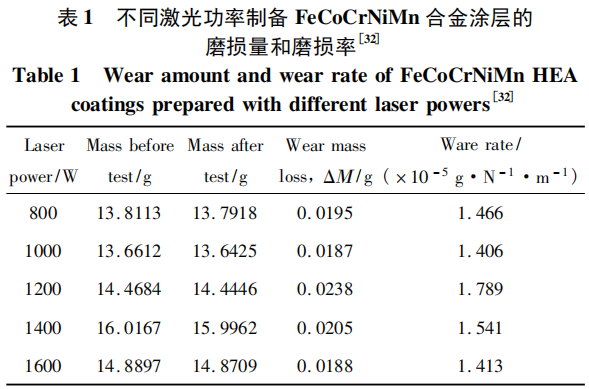
Yang et al. [31] developed an improved molecular dynamics model. The model demonstrated that for the high-entropy alloy AlCoCrFe coating during the additive manufacturing process, as the laser heating temperature increased, the hardness of the coated aluminum substrate was approximately 10 times higher than that of the uncoated substrate. This indicates that high temperatures enhance intermolecular forces, leading to improved coating performance. Liu Lihao et al. [32] investigated the effect of different laser powers on the microstructure and properties of FeCoCrNiMn alloy coatings. As shown in Table 1, the results revealed that the coating exhibited optimal wear resistance at a laser power of 1000 W. Zhang Wei et al. [33] investigated the effect of laser power on the wear resistance of CoCrFeNiCu high-entropy alloy coatings and found that at a power of 1700 W, both the coefficient of friction and the wear volume of the FeCoNiCrCu alloy coating were minimal, indicating that the selection of laser power plays a critical role in the coating.
Dong Tianshun et al. [34] employed a laser remelting process to treat AlCoCrFeNi alloy coatings and conducted a comparative study of the microstructure and corrosion resistance of the coatings before and after remelting. The results indicated that laser remelting essentially eliminated defects such as pores and cracks in the sprayed coating, transformed the bond between the coating and the substrate from mechanical to metallurgical, and significantly improved the corrosion resistance of the remelted layer compared to the sprayed coating. Cui et al.[35] subjected the refractory high-entropy alloys Ti41V27Hf16Nb16 and Ti41V27Hf13Nb13Mo6 to laser surface remelting. Their study found that, compared to the parent material, the increase in hardness in the remelted zone was attributed to a cellular microstructure rather than conventional grain refinement. Furthermore, the addition of Mo in the Ti-V-Hf-Nb system served to strengthen the solid solution, thereby increasing hardness. Chen Jingrun et al. [36] performed surface remelting on the high-entropy alloy CoCrFeMnNi using different laser power levels. The results indicated that, following remelting, the hardness, wear resistance, and corrosion resistance of the remelted layer were enhanced due to grain refinement and solute retention effects.
3. Chemical Heat Treatment
Chemical heat treatment refers to the process of diffusing active elements into the surface of a material at high temperatures to form an alloy layer with specific properties [37]. Since HEAs tend to form solid solutions, solid solution strengthening is a proven strengthening mechanism that allows for the incorporation of small-radius elements such as C, N, and B to form interstitial solid solutions. Studies have shown that subjecting HEAs with good plasticity to treatments such as carburizing, nitriding, and coating typically results in a microstructure that is hard on the surface and tough at the core [38].
3.1 Carburization
Carbon influences the properties of alloys through interstitial solid solution or second-phase precipitation strengthening [39–42]. Li Zhe et al. [43] employed a solid-state carburization method to treat a high-entropy CuCoCrNiFe alloy at 850 °C for 5 hours. The results showed that after carburization, a large amount of carbides precipitated in the alloy, with fine and dense carbides near the surface, and the surface hardness of the specimens increased significantly compared to the matrix. Hu Lanming [44] used plasma spraying technology to prepare a FeCoNiCrAl high-entropy alloy coating and subjected the coating to solid-state carburization. The results indicated that solid-state carburization of the FeCoNiCrAl high-entropy alloy coating at 900°C significantly improved its mechanical properties. As the carburization time increased, the carbon content and the amount of FCC phase within the coating increased, leading to a significant improvement in the coating’s microhardness. Other studies have shown [45] that carburization can induce the formation of carbides on the surface of HEAs, and even result in a dual-phase structure within the carburized layer, leading to a significant increase in surface hardness and enhanced wear resistance, making them suitable for workpieces subjected to high friction. However, this process suffers from issues such as slow diffusion rates of the solid carburizing medium, lengthy processing times, and potentially uneven distribution of the carbon source.
3.2 Nitriding
Nitriding of high-entropy alloys is primarily achieved through methods such as ion nitriding, laser cladding composite coatings, and nanosecond laser irradiation, with the aim of enhancing surface hardness, wear resistance, and corrosion resistance. Chen et al. [46] found that the ultra-hard nitride layer formed on the surface of FeCoCrNiNb alloys through ion nitriding forms a robust gradient structure with the underlying high-entropy alloy layer, significantly improving the erosion-wear resistance of the nitrided high-entropy alloy (HEA-N) coating. Zhu et al. [47] prepared a high-strength nanonitride layer via plasma nitriding, which increased the tensile strength and uniform elongation of the high-entropy alloy by 74.6 MPa and 7.9%, respectively. Li et al. [48] prepared an Al₀.₅CoCrFeNiTi₀.₂₅ coating using laser cladding technology and subjected it to ion nitriding. The study found that a large number of N atoms were solid-solved in the FCC phase, and that N atoms diffused inward to form a diffusion layer with a high nitrogen solid solution, resulting in a significant improvement in the wear resistance and corrosion resistance of the cladding layer after ion nitriding. Wu et al. [49] systematically investigated the effect of direct current plasma nitriding (DCPN) treatment temperature on the properties of CoCrFeMnNi alloy coatings and achieved plasma nitriding treatment at low temperatures (430°C and 450°C). Due to the formation of a nitrogen-supersaturated S phase, surface hardness increased significantly, resulting in excellent wear and corrosion resistance.
3.3 Metal Diffusion
Metal diffusion is a process that involves diffusing metal atoms into the surface of a workpiece to form a diffusion layer with specific properties. This includes aluminum diffusion, zinc diffusion, and chromium diffusion. Among these, processes such as aluminum and zinc diffusion can form protective layers on the workpiece surface, enhancing its oxidation resistance and corrosion resistance. Aluminum diffusion is a commonly used metal diffusion process for improving the properties of high-entropy alloys (HEAs), as it forms a dense Al₂O₃ oxide film under high-temperature conditions to protect the base metal. Li et al. [50] employed the embedding diffusion method to perform aluminum diffusion treatment on a hot-rolled Fe40Mn20Cr20Ni20 high-entropy alloy with an FCC structure. They found that the hardness of the aluminum-diffused high-entropy alloy was higher than that of the hot-rolled high-entropy alloy, and its wear rate at room temperature was very low. A study [51] used an industrial chemical vapor aluminum (CVA) process to deposit a nickel-aluminum (NiAl) coating on the surface of a Ni0.25Co0.25Cr0.22 Mo0.14 Re0.14 high-entropy alloy. The results indicated that an α-Al₂O₃ oxide layer formed on the surface of the NiAl-coated high-entropy alloy specimens, which remained stable even after prolonged isothermal oxidation. Similarly, a study [52] subjected equimolar HfNbTaTiZr refractory high-entropy alloys (RHEA) to powder-embedded aluminum diffusion treatment and subjected them to high-temperature isothermal oxidation tests of varying durations. The study found that after 5, 25, and 125 hours of oxidation, the mass increase of the aluminum-diffused samples was only 84.7%, 64.5%, and 27.8%, respectively, compared to the as-cast samples. This indicates that an adherent oxide layer formed on the alloy surface following aluminum infiltration. Furthermore, the molar volume of aluminum also increased appropriately, suggesting that aluminum infiltration can expand the operational environment of RHEA alloys.
4. Special Heat Treatment
In addition to the heat treatment methods described above, other techniques include vacuum heat treatment, plasma heat treatment, and thermal spraying [53]. These special heat treatment methods are often applied as post-processing steps following conventional heat treatment, thereby further enhancing the overall performance of HEAs and achieving more efficient, precise, or targeted improvements in material properties. In one study [54], an Al₀.₉Cr₀.₈FeMn₀.₈Ni₂.₀ alloy was arc-melted, and the ingot was then sealed in a vacuum tube for vacuum annealing. The results showed that after annealing at 600°C under vacuum, the BCC phase content increased significantly, markedly improving the alloy’s strength. Furthermore, recrystallization led to a noticeable refinement of the grain structure, and the alloy’s ductility was significantly enhanced. Luo et al. [55] used spark plasma sintering (SPS) to densify mechanically alloyed AlxCoCrCuFeNi high-entropy alloy powders, followed by vacuum heat treatment at 500–800°C for varying durations. The results showed that after 1 h of vacuum treatment at 500 °C, the BCC phase in the SPS-treated coating transformed into an FCC phase with an Fe-Ni structure, and the microstructure became homogenized. Ultimately, a balance in the mechanical properties of the coating was achieved, combining high hardness and strength with significantly improved ductility.
Sun et al. [56] investigated the effects of vacuum heat treatment on the microstructure and mechanical properties of high-entropy alloy (CoCrFeNiMn) coatings prepared by high-velocity oxygen fuel (HVOF) spraying. Their study found that at higher heat treatment temperatures, the diffusion distance at the interface increased, promoting bonding between the coating and the substrate. In addition, high-temperature recrystallization led to a reduction in grain size and improved uniformity. Zhang Nannan et al. [57] used a plasma spraying followed by laser remelting method to prepare AlCoCrFeNiVx high-entropy alloy coatings with varying V content on a Q235 steel substrate. The results showed that when x = 1, both the hardness and wear resistance of the coating reached their highest values.
5. Conclusion
1) Heat treatment improves the microstructure of HEAs by eliminating residual stresses, refining grain size, and reducing porosity, thereby influencing their mechanical properties. Adjusting the temperature during conventional annealing can eliminate residual stresses within the alloy, promote compositional homogenization, and improve properties such as hardness, ductility, and toughness. Laser heat treatment induces a rapid localized melting-solidification process in HEAs, refining the grain structure and eliminating defects such as pores and cracks, thereby significantly enhancing the hardness, wear resistance, and corrosion resistance of HEAs. Chemical heat treatment involves the diffusion of various elements into the alloy (particularly Al and Cr), leading to the formation of a dense oxide film on the alloy surface, which enhances its oxidation resistance and corrosion resistance.
2) Key factors influencing the effectiveness of performance optimization after HEAs heat treatment include: the phase stability of the alloy itself, element diffusion, and the compatibility between the coating and the substrate; the characteristics of different heat treatment methods; and the settings of parameters such as temperature and duration during treatment. In practical applications, the choice of heat treatment method must be tailored to the specific properties of the elements involved.
3) To address bottlenecks in HEAs—such as insufficient synergistic toughening and deteriorating high-temperature phase stability during service under extreme conditions—future efforts should utilize multi-scale simulations (phase field method/first-principles calculations) and the development of composite processes (heat treatment + surface texturing, heat treatment + addition of ceramics/rare earth elements, etc.) to achieve performance breakthroughs for HEAs in fields such as critical aerospace components and marine corrosion-resistant equipment.
References: Heat Treatment Of Metals , Vol. 51, No. 3, March 2026; Research progress on effect of heat treatment processes on properties of high entropy alloys,Yin Meiyue,Chen Wengang,Zhang Jian,Li Zuyang,Yang Zhijin,Chen Zancong
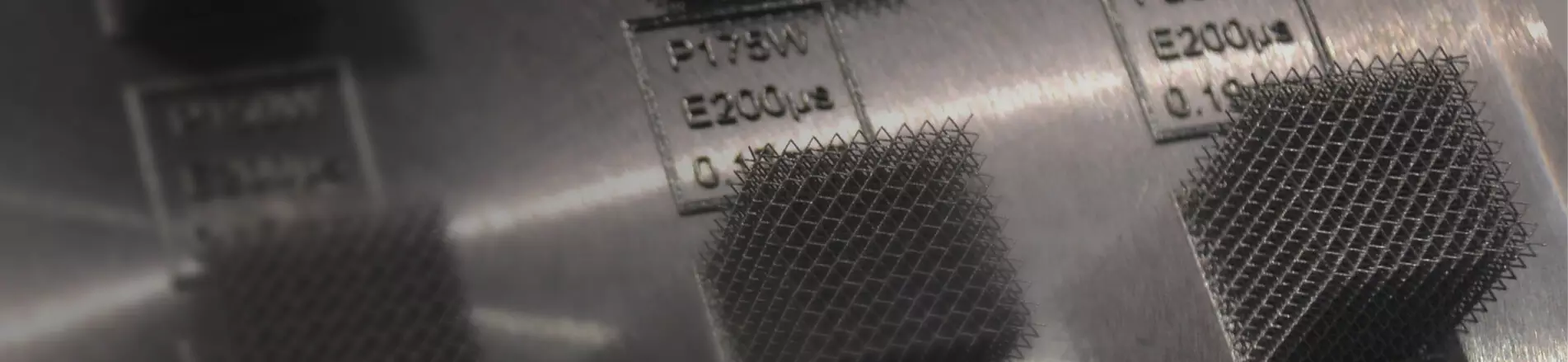
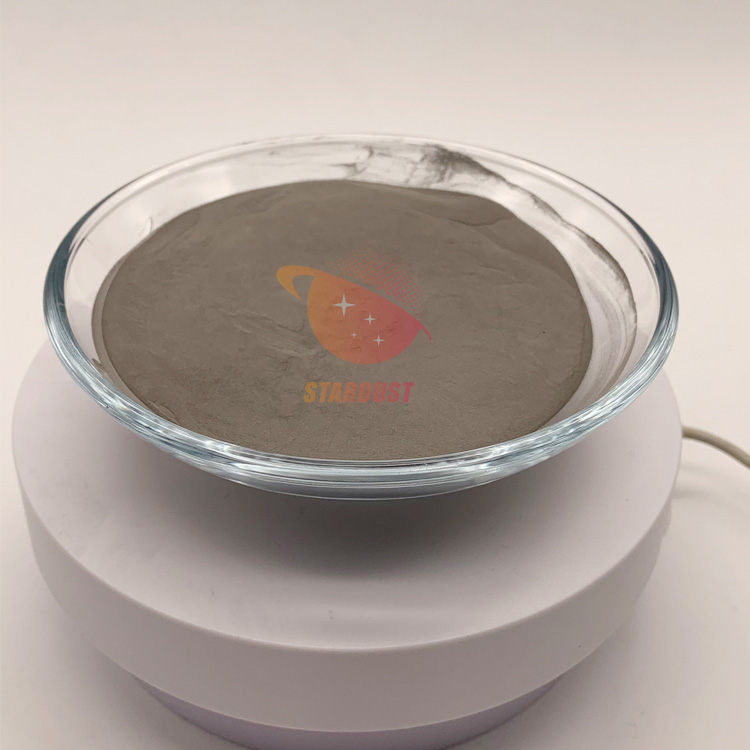
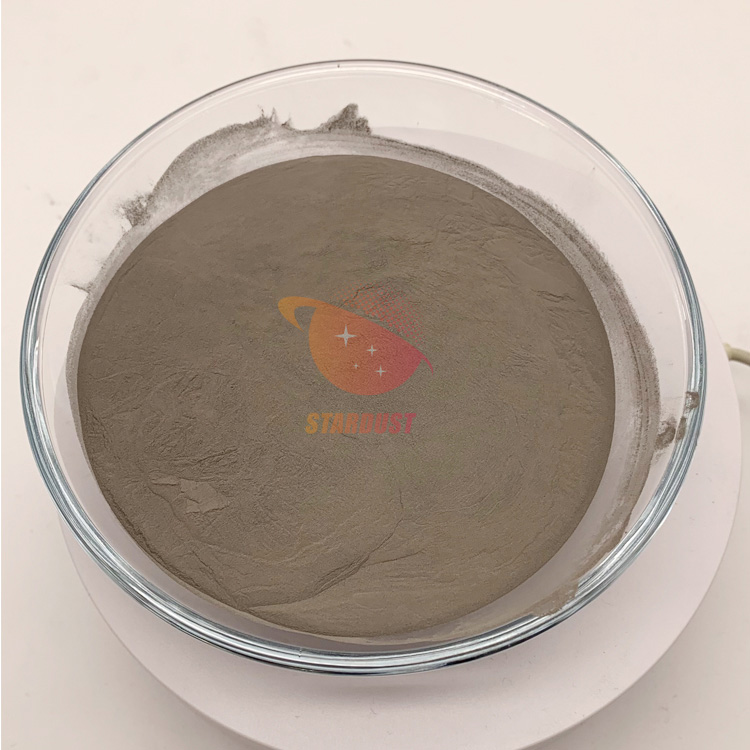
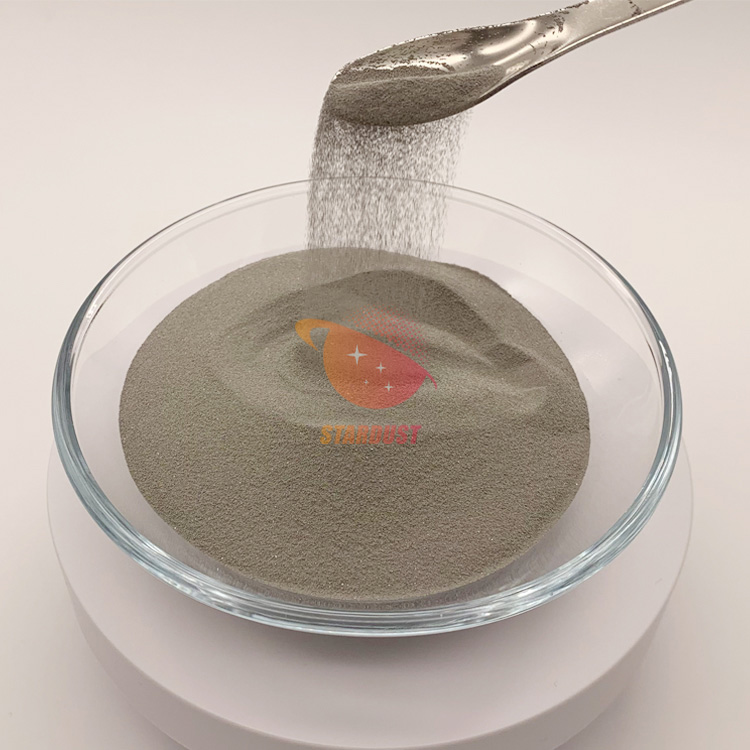
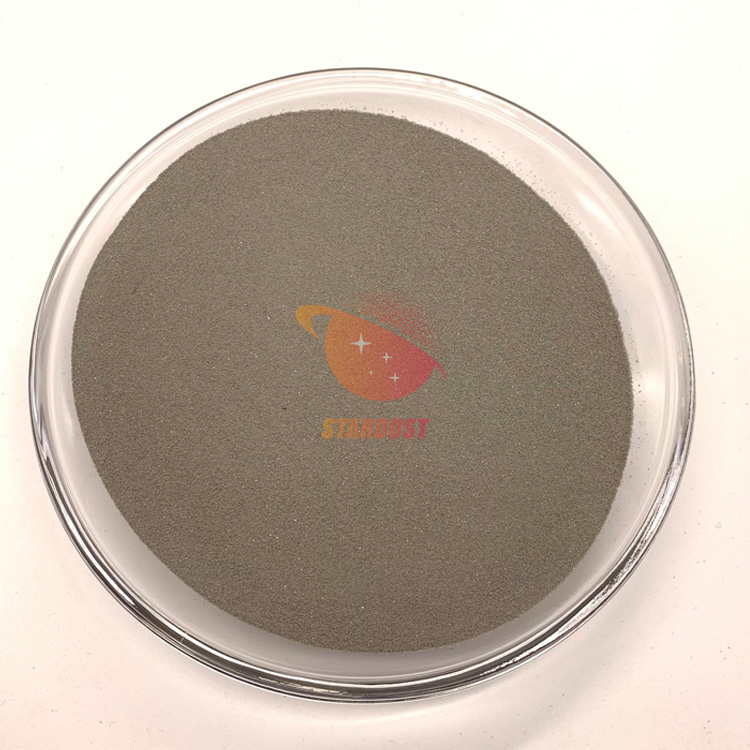
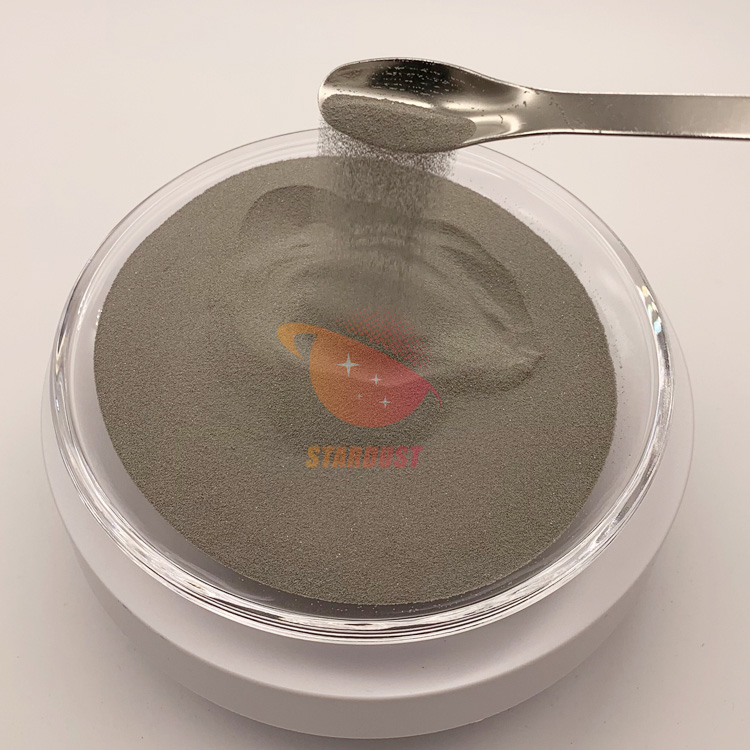
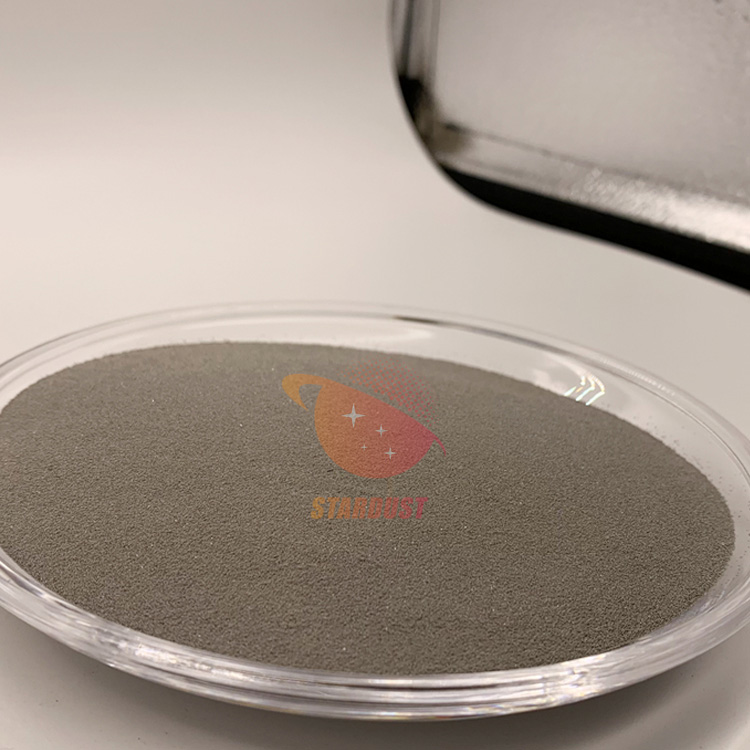
High-quality development in the field of advanced manufacturing relies on a stable supply and guaranteed quality of core powder materials. Stardust Technology has dedicated itself to the research, development, and production of powder materials. Centered on radio-frequency plasma spheronization technology, the company has established a fully integrated, closed-loop management system covering the entire process from raw powder to spheronized powder. This system ensures full traceability and control throughout the production chain, effectively guaranteeing consistent product quality and providing reliable material support for high-end applications across multiple sectors. Leveraging its mature core technology, Stardust Technology has successfully addressed key industry challenges. Its technology offers five core advantages, demonstrating exceptional practicality. First, the technology features high-temperature and high-entropy characteristics, enabling the complete spheronization of refractory powders such as tungsten and molybdenum—which have melting points exceeding 2,000°C—thus successfully overcoming a core technical challenge in the industry. Second, particle size can be customized to meet specific needs, ranging from 1 to 150 μm, with high particle size uniformity, allowing precise adaptation to the process requirements of various industries; Third, the sphericity exceeds 95%, with no satellite particles and an extremely low proportion of hollow particles, resulting in excellent powder flowability, making it particularly suitable for 3D printing processes; fourth, the use of an electrode-free design effectively prevents powder contamination, achieving a powder purity of over 99.95% with low oxygen content, meeting the high-quality requirements of sectors such as medical and aerospace. The company boasts a professional R&D team and a comprehensive operational framework, having taken the lead in formulating multiple national standards related to additive manufacturing, thereby filling gaps in the domestic industry. In addition to its core technological advantages, Stardust Technology has developed a comprehensive, integrated industry chain solution encompassing equipment, powder materials, and services, ensuring full control from raw material processing to finished product delivery. This approach not only guarantees consistent product quality but also enhances service efficiency. Adhering to a philosophy of pragmatic innovation, Stardust Technology has established a solid foundation for quality through a closed-loop technical system. Leveraging robust technical capabilities and consistent product quality, the company continues to supply premium powder materials to high-end manufacturing sectors such as aerospace, biomedicine, and 3D printing, thereby driving high-quality industry development. For more product information, please contact our professional sales manager, Mr. Zhu, at 13378626726.




 IPv6 network supported