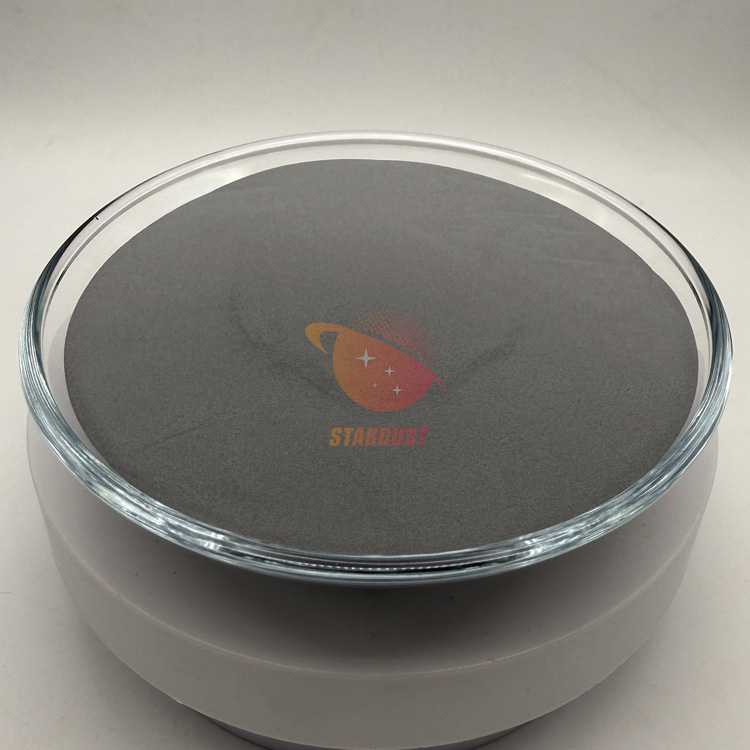
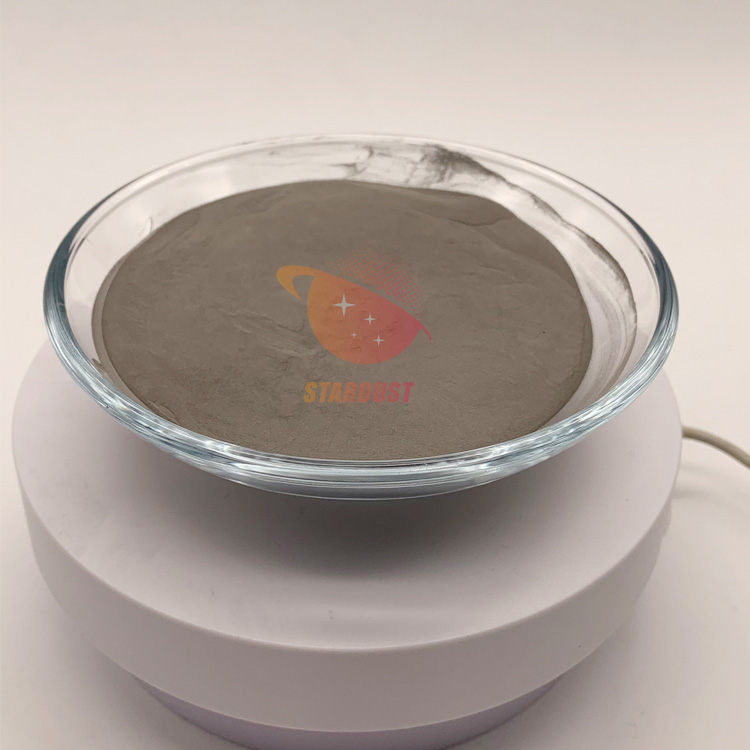
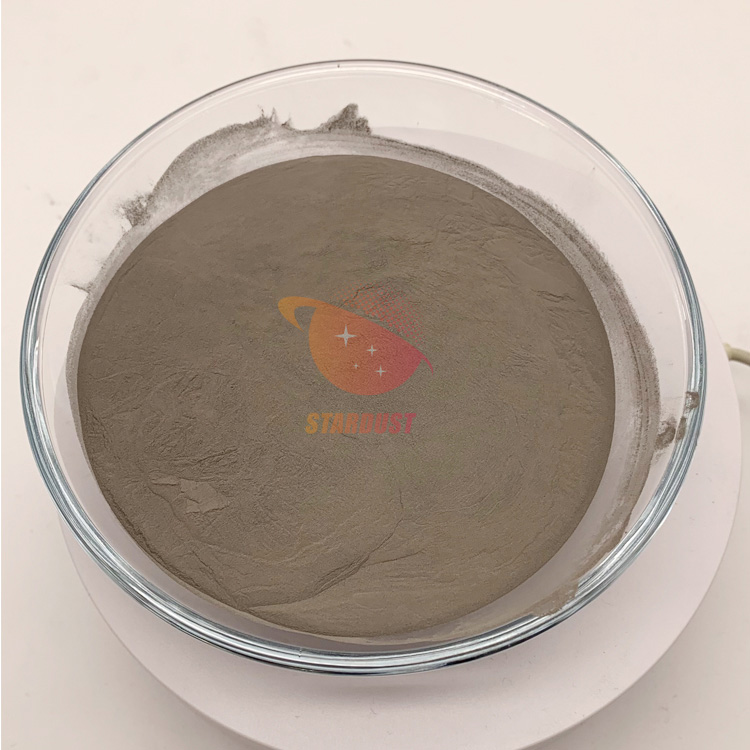
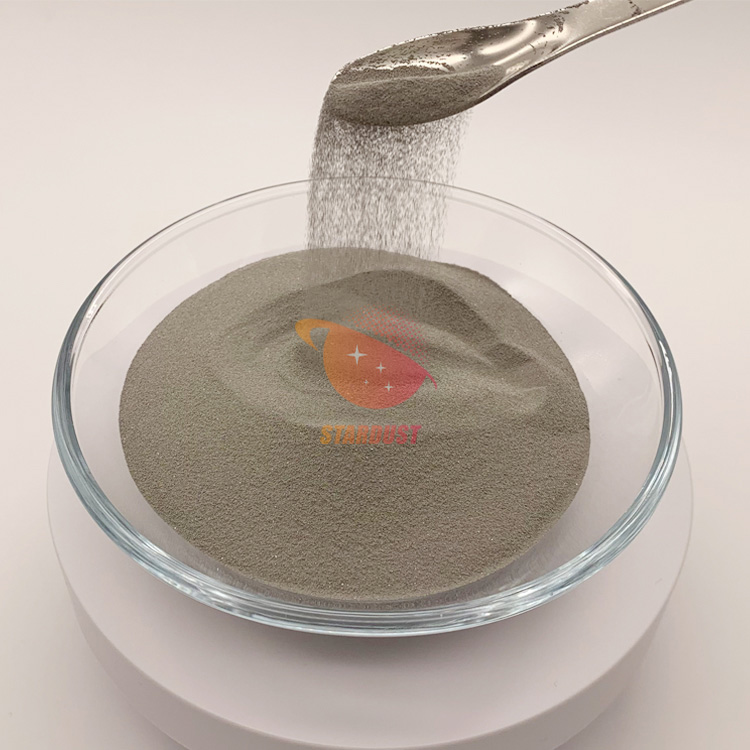
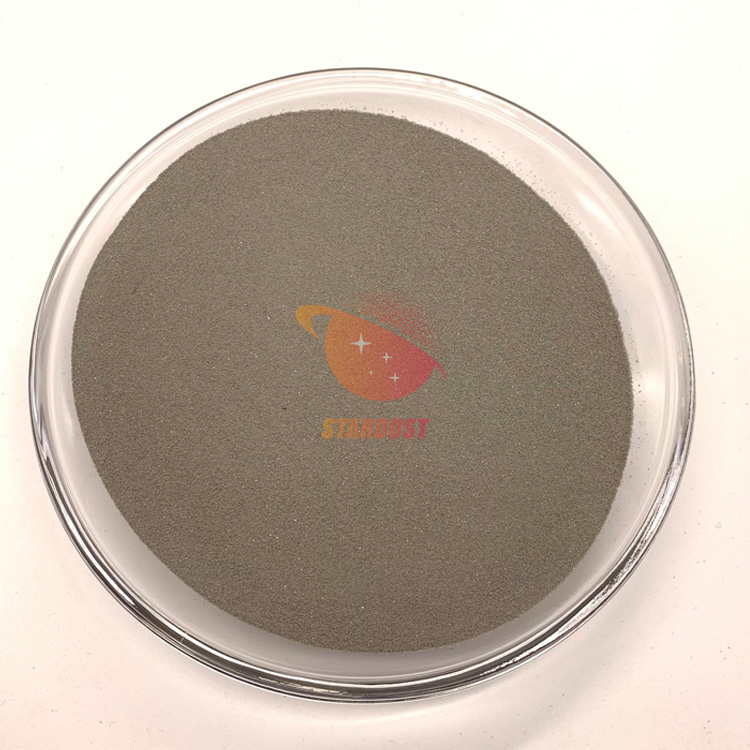
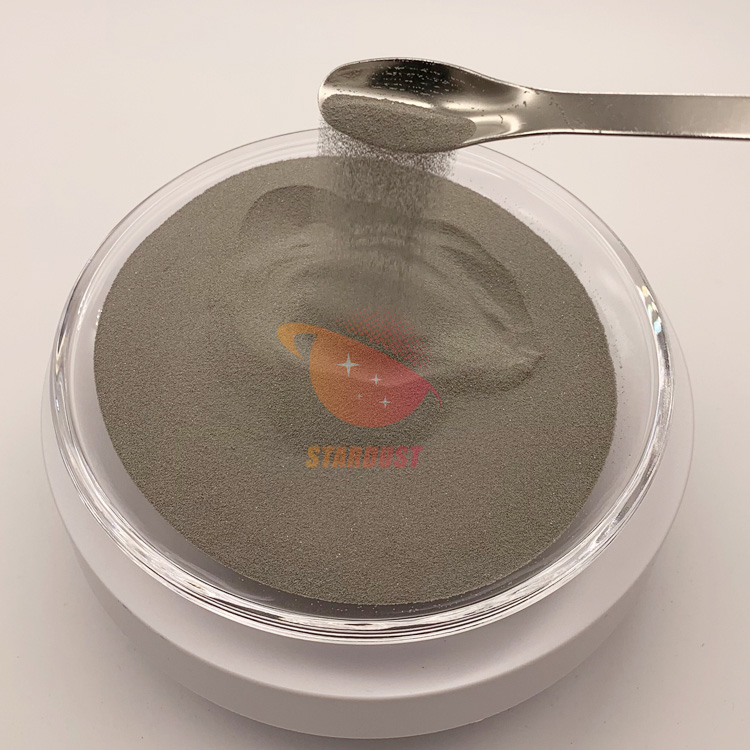
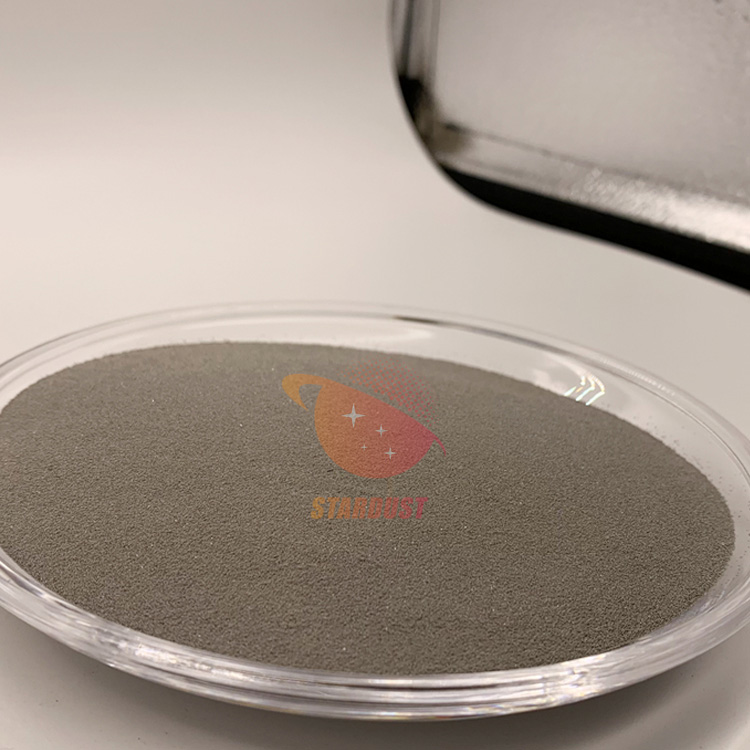
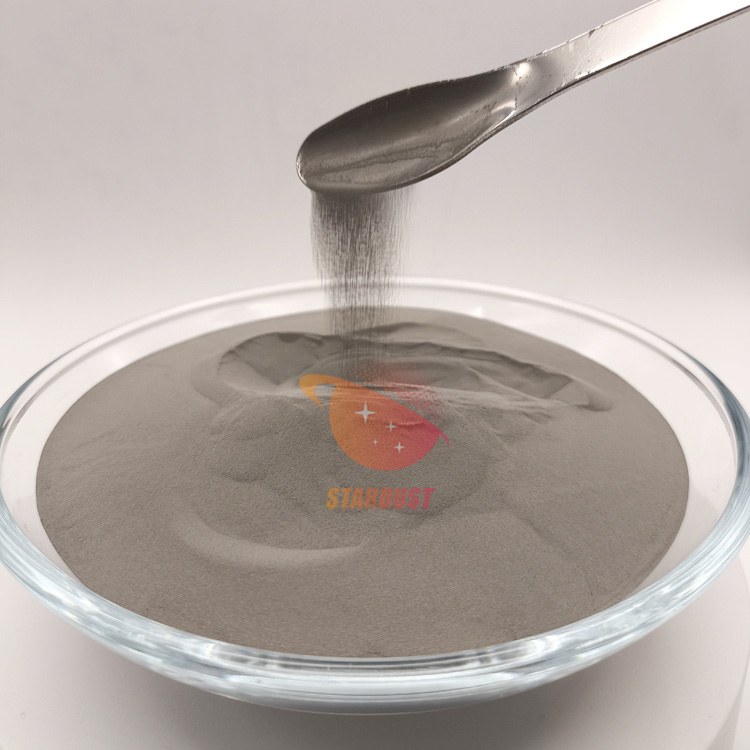
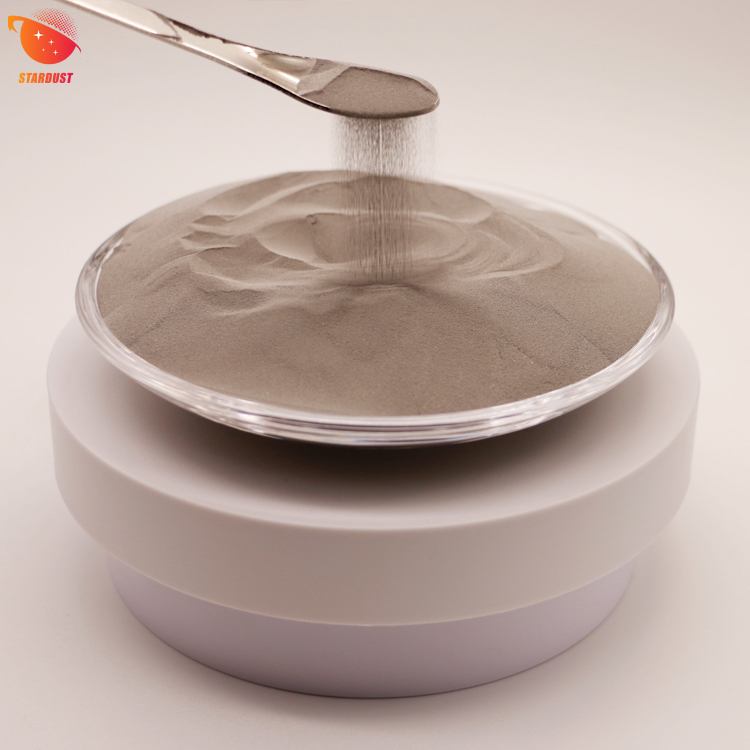
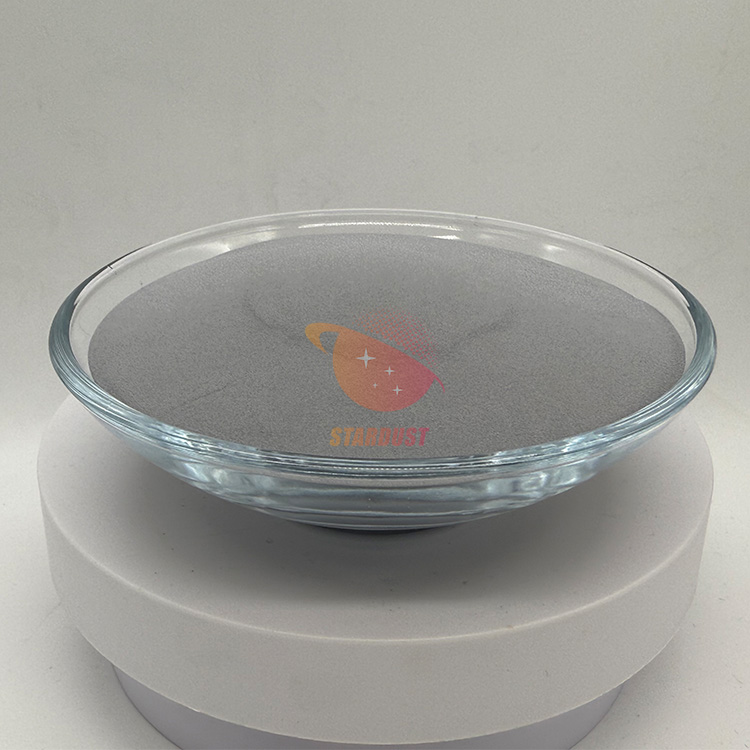
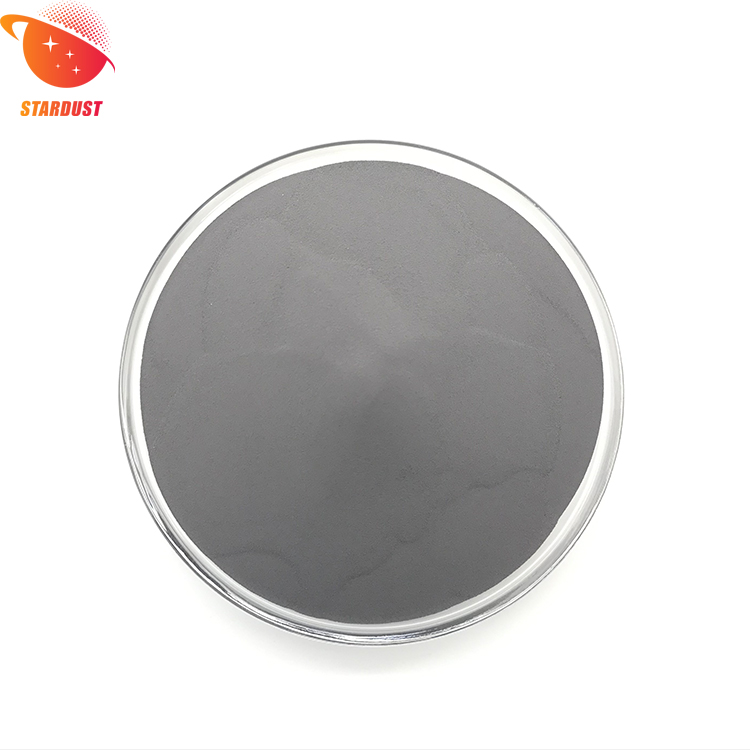
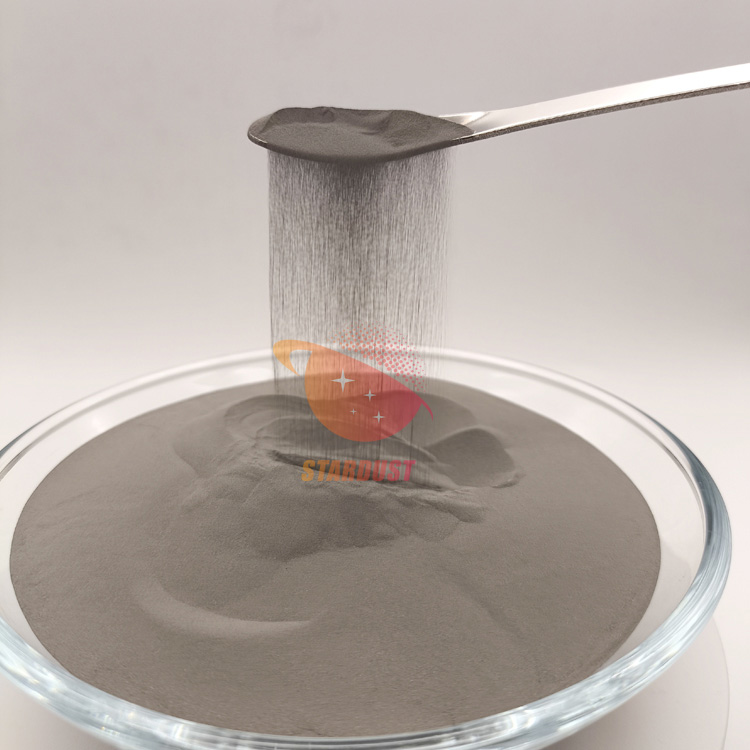
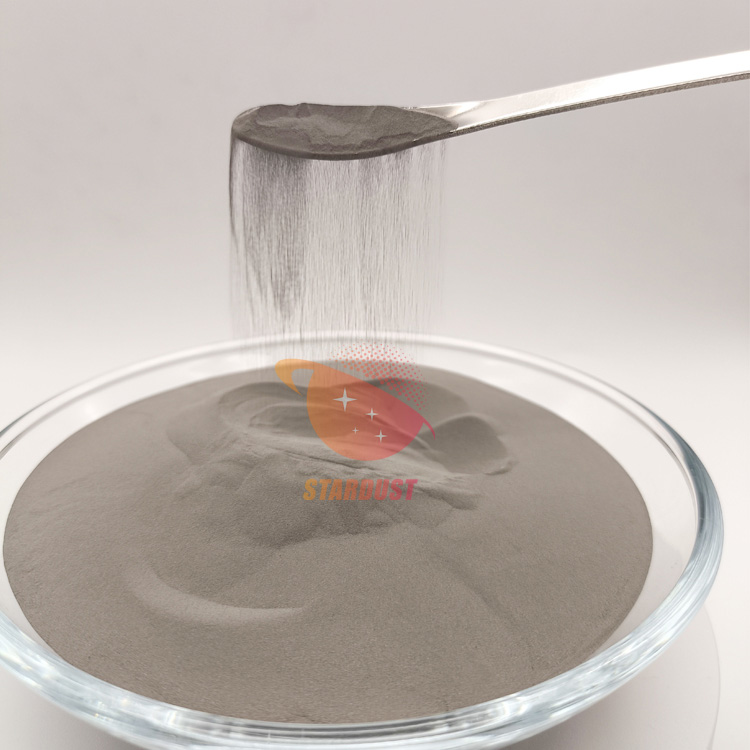
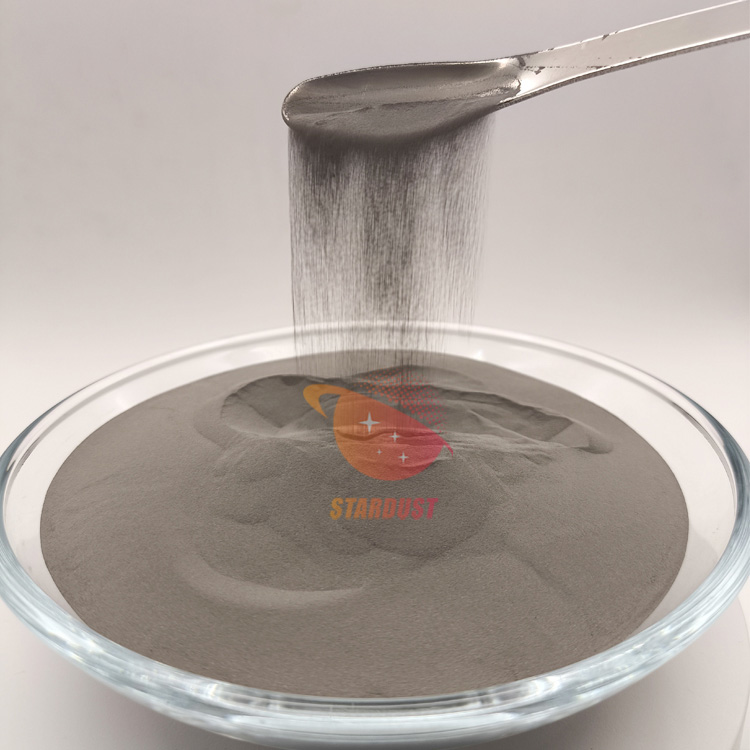
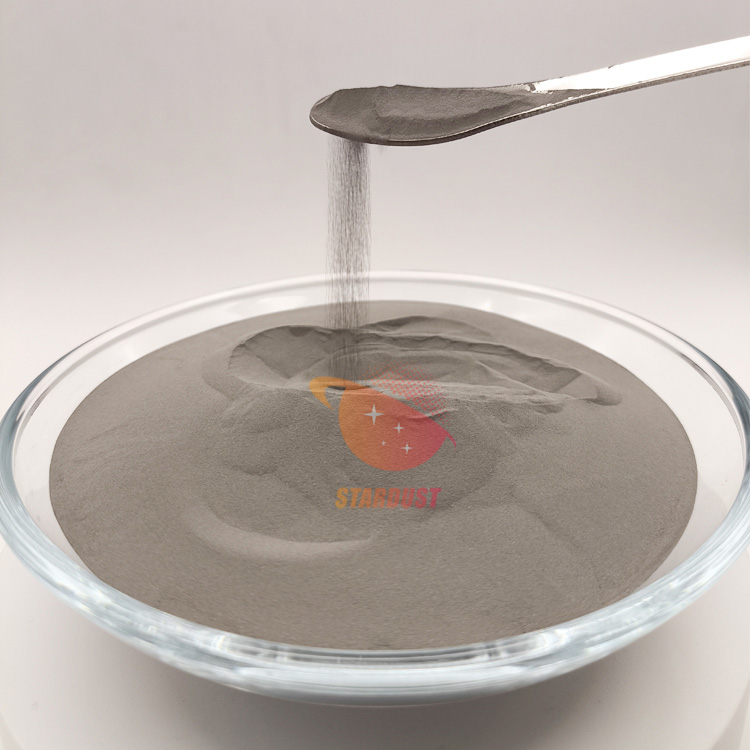
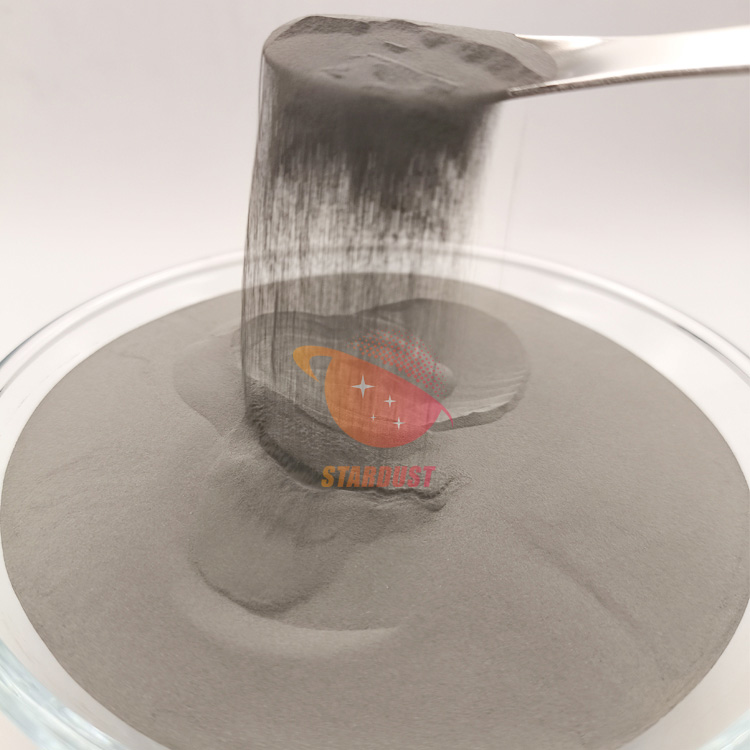
Spherical tantalum tungsten-rhenium hafnium carbon alloy powder
I. Characteristics
1. Ultra-high melting point and excellent thermal stability: The melting point of spherical tantalum tungsten-rhenium hafnium carbon alloy powder is as high as over 4200℃, surpassing that of the vast majority of metals and alloy materials.
2. Excellent mechanical properties and balanced strength and toughness: At room temperature, the tensile strength of the material formed from this alloy powder can reach 1800-2300 mpa, and its hardness (HV) exceeds 550, which is much higher than that of ordinary refractory alloys.
3. Outstanding chemical stability and corrosion resistance: The alloy demonstrates extremely strong resistance to highly corrosive media.
4. Excellent radiation resistance: In the strong neutron irradiation environment of nuclear reactors, the low neutron capture cross-section characteristics of hafnium and rhenium elements make the alloy less prone to transmutation.
Ii. Application Fields
1. Aerospace field: It is used to manufacture the combustion chamber and nozzle throat liner of rocket engines, and serves as a thermal protection material for the leading edge and wingtip of aircraft.
2. Energy field: It is applied to the fuel cladding, control rods and core structural components of the fourth-generation nuclear reactors, and is used to manufacture high-temperature components in the high-temperature heat collection system of solar thermal power generation and advanced supercritical coal-fired power generation equipment.
3. High-end manufacturing field: Manufacturing high-performance cutting tools, mold surface coatings, wear-resistant liners, drill bits and other components for mining, drilling, metallurgy and other industries.
4. Other cutting-edge fields: In semiconductor manufacturing, it can be used as a high-temperature diffusion source and sputtering target, meeting the demanding process requirements such as high temperature and plasma in chip manufacturing. In the field of weaponry and equipment, it is used for the skin of hypersonic aircraft, armor-piercing projectile cores, etc., to enhance the performance and combat capabilities of the equipment under extreme conditions.





 IPv6 network supported