Yttrium oxide
I. Characteristics
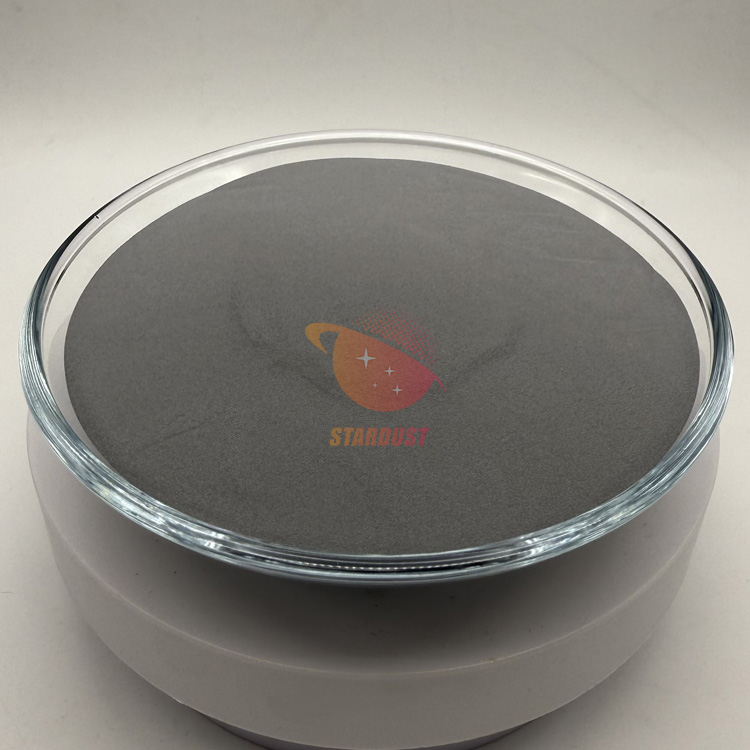
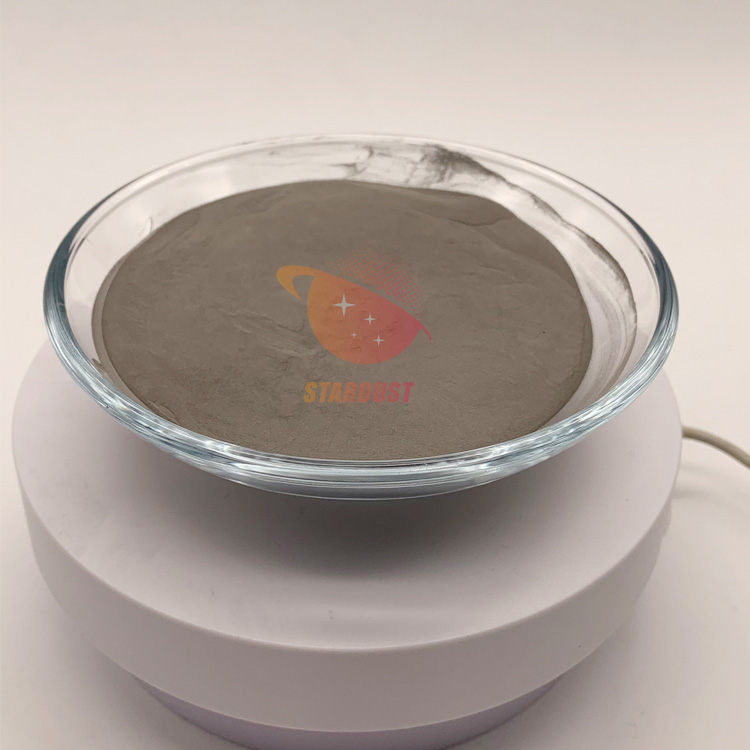
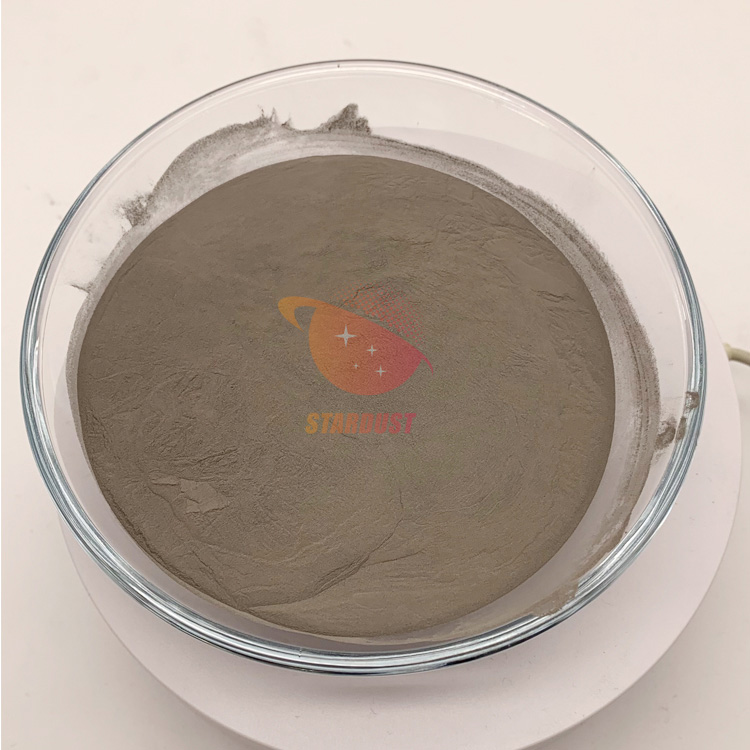
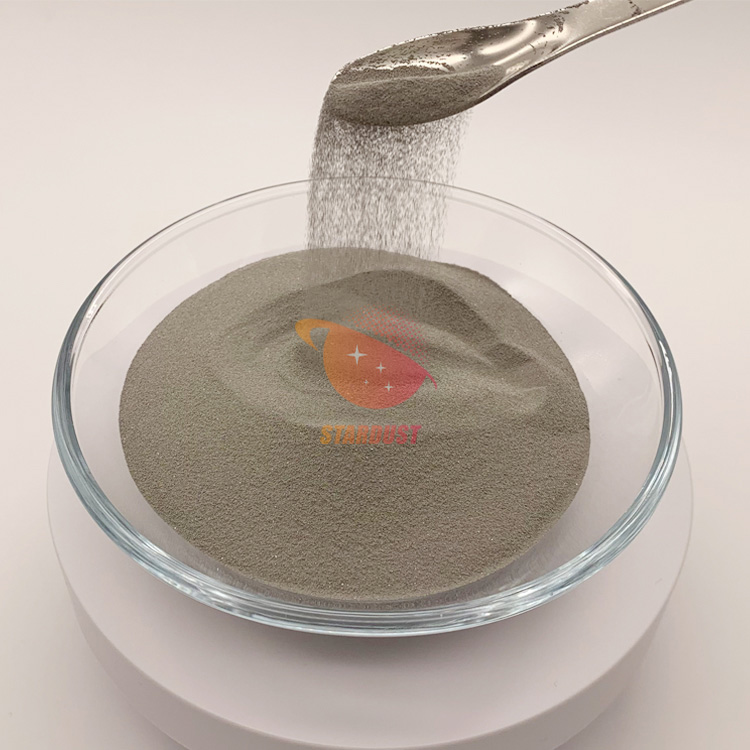
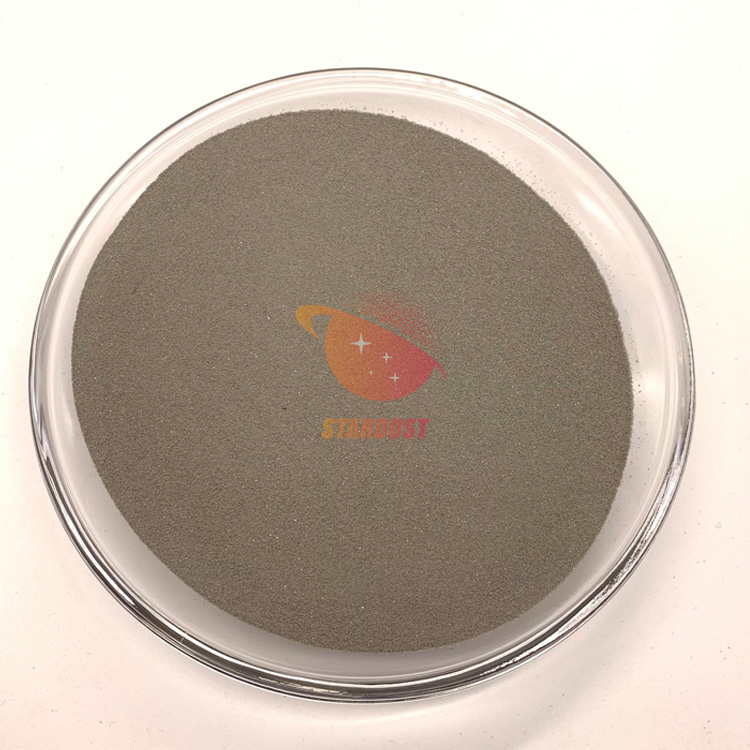
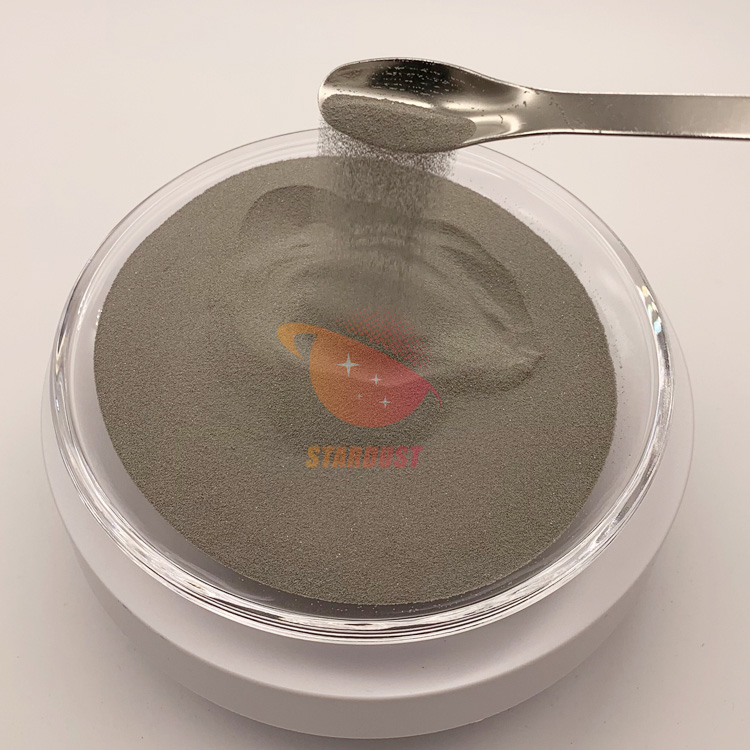
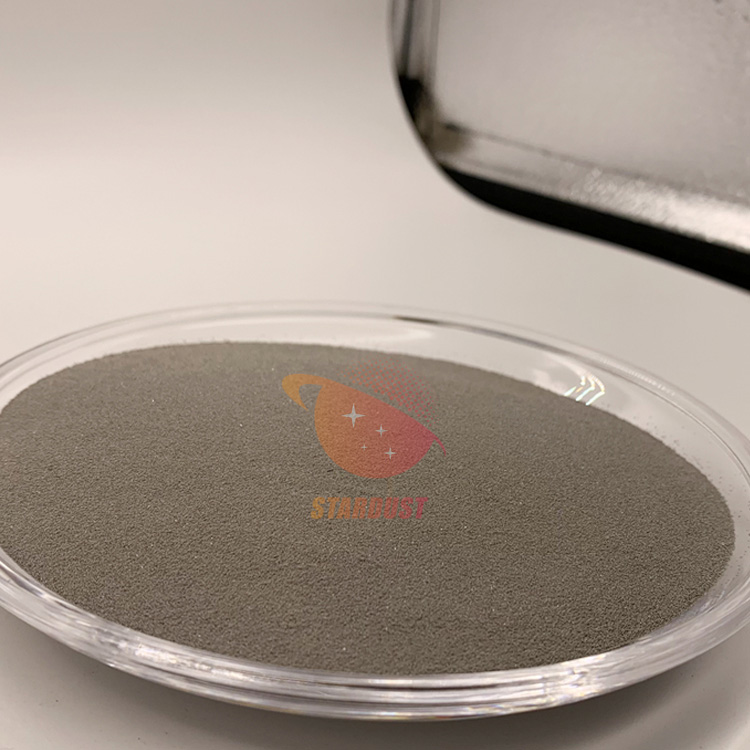
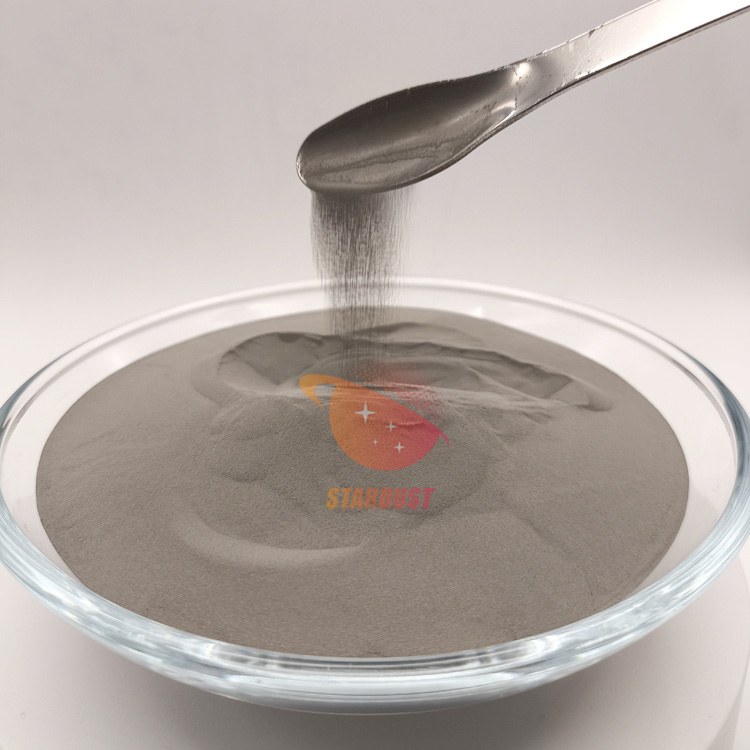
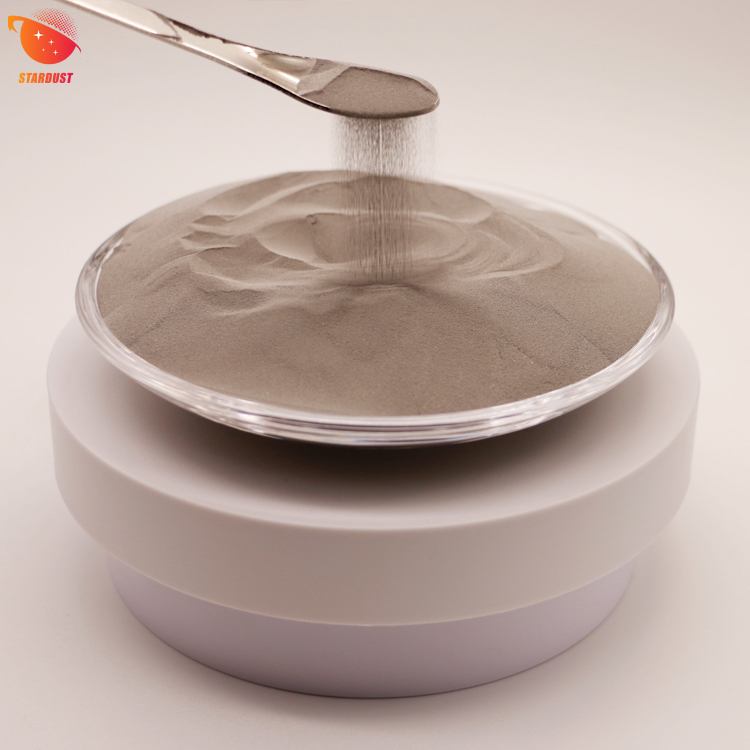
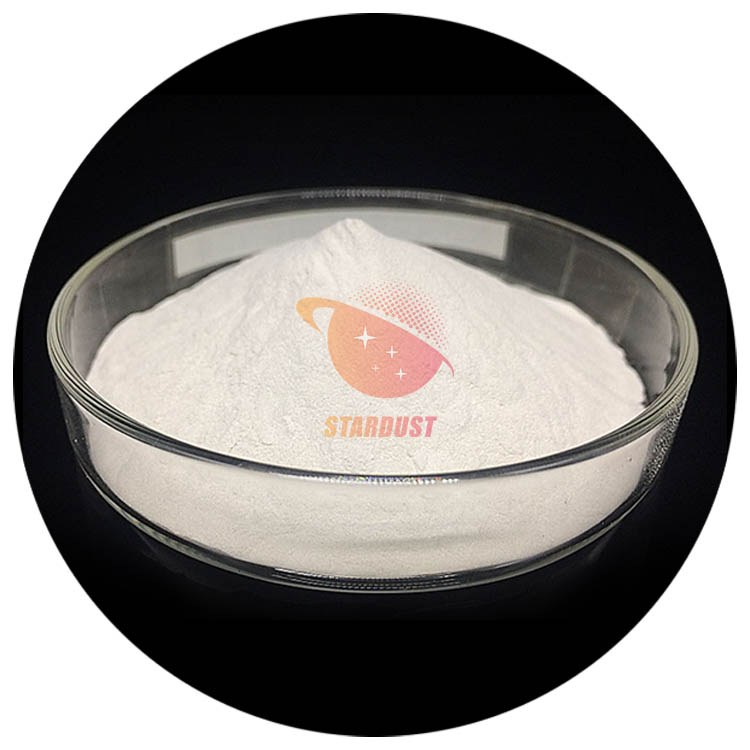
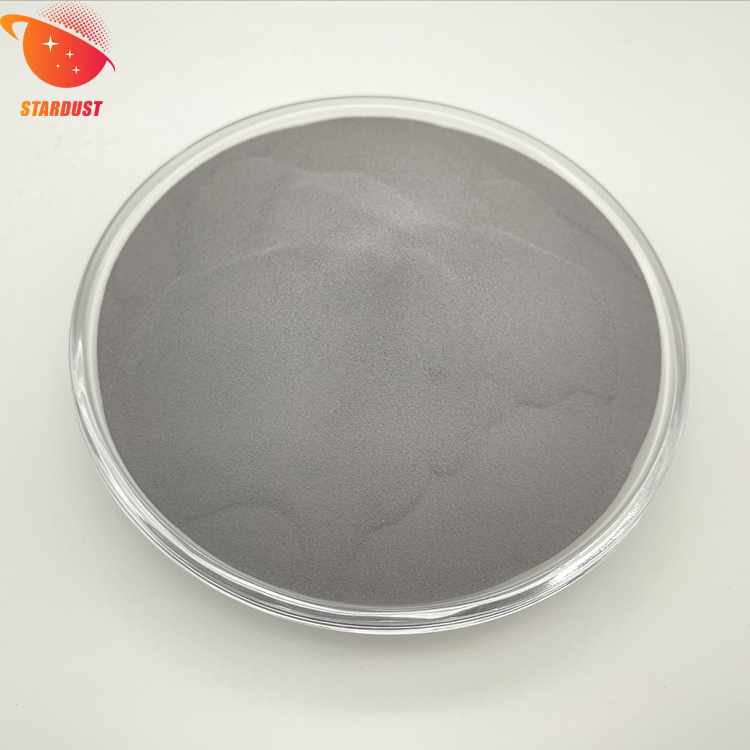
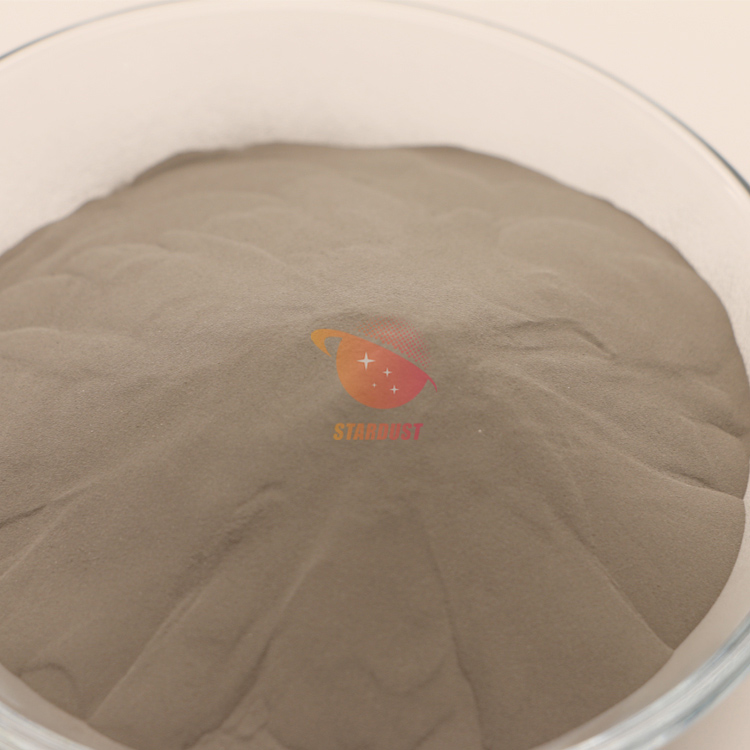
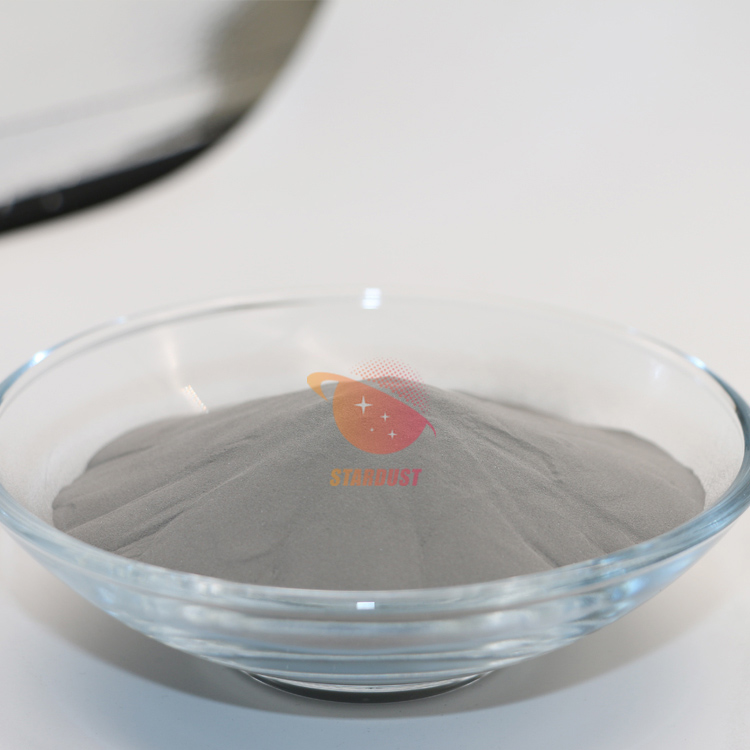
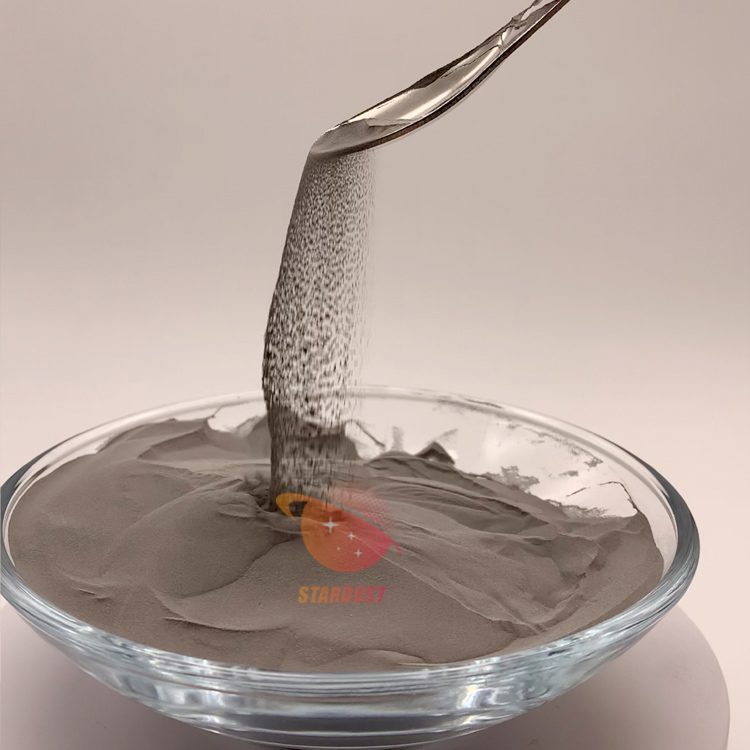
1. Physical properties: Yttrium oxide is a white powder with a slight yellowish tint, featuring a cubic crystal system structure. It has a melting point as high as 2410℃ and a density of 5.01g /cm³.
2. Chemical properties: Yttrium oxide has stable chemical properties and is not prone to react with common chemical substances such as water, acids, and alkalis at room temperature.
3. Optical properties: Yttrium oxide has excellent optical properties, and its transparency range covers from ultraviolet to infrared bands (200-6000 nm).
4. Electrical properties: Yttrium oxide itself is an insulator, but it can exhibit special electrical properties under certain conditions.
Ii. Application Fields
1.In the field of electronic information: Yttrium oxide films, as high dielectric constant insulating materials, can be used to replace traditional silicon dioxide and be applied in metal-oxide-semiconductor (MOS) devices. Yttrium oxide phosphor doped with rare earth elements is the core luminescent material of white leds and plasma display panels (PDP).
2. In the field of ceramic materials: Yttria-stabilized zirconia (YSZ) ceramics possess outstanding properties such as high strength, high toughness, wear resistance, and corrosion resistance, and are widely used in mechanical components such as cutting tools, abrasives, bearings, and valves. In addition to serving as the electrolyte for solid oxide fuel cells, YSZ can also be used to make oxygen sensors. By taking advantage of its oxygen ion conduction characteristics, it can monitor the oxygen content in the environment in real time, and has important applications in automotive exhaust emission control, industrial combustion process optimization, and other aspects.
3. Energy field: It can be used as a carrier for solid oxide fuel cells and catalysts.
4. Biomedical field: It can be used to make artificial bones, dental restoration materials and drug carriers.





 IPv6 network supported